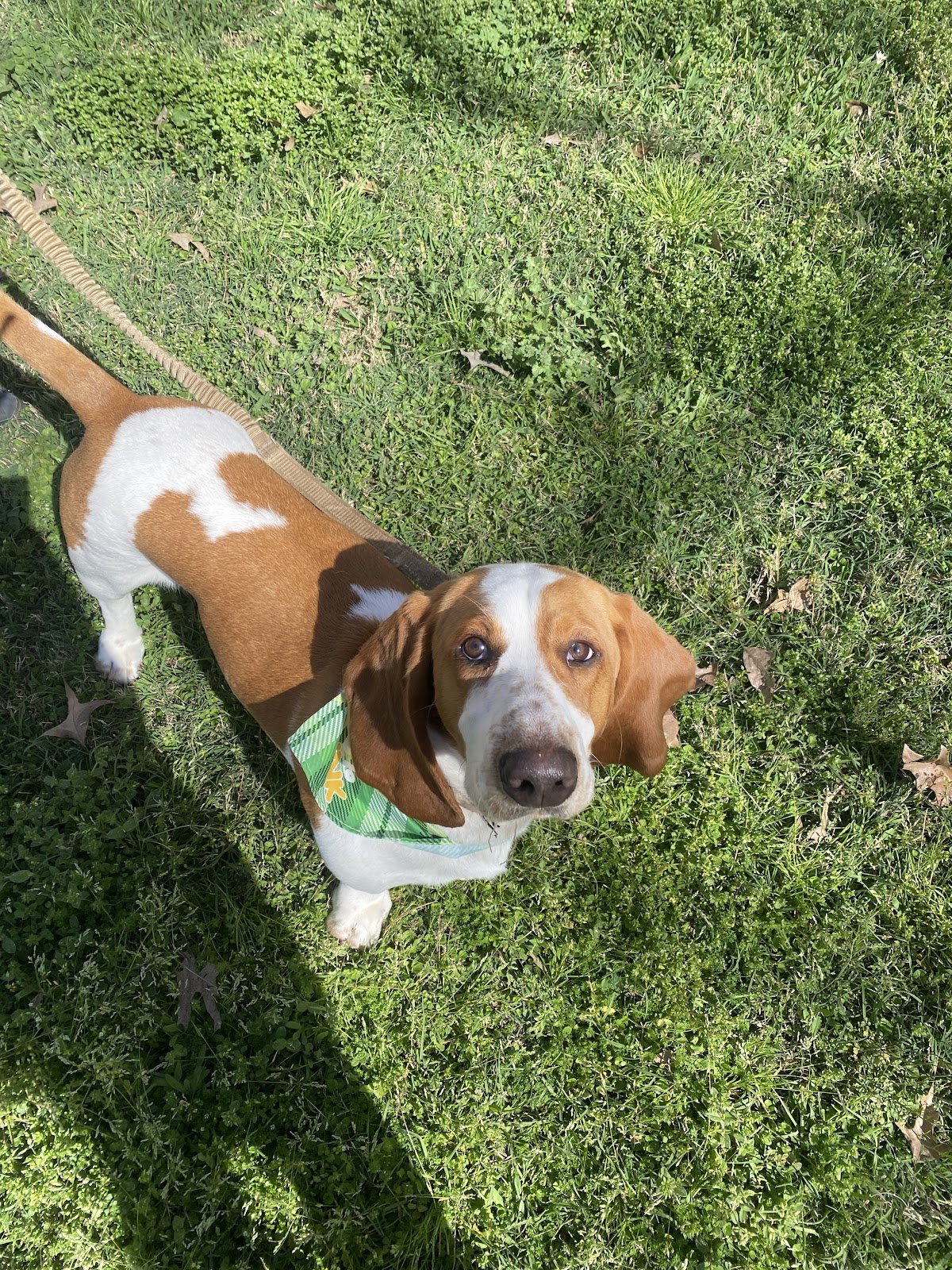
Swimming works on a dog's muscles in ways that running on land just doesn't. When a dog swims, every limb has to push against the water's resistance at the same time. The core muscles, the shoulders, the back legs, the chest, all of it fires at once. A 20-minute swim can leave a dog as tired as an hour of running would. That matters if you've got a high-energy dog at home in Conroe who needs to burn off steam but you don't have the time or the heat tolerance to chase them around a yard for an hour in a Texas afternoon.
Why Water Resistance Changes Everything
Running is natural for dogs. They've done it for thousands of years. But swimming is different because the water pushes back on every movement. There's no coasting. There's no taking a step and letting momentum carry you forward. Every paddle has to work. That resistance builds muscle faster and tires the dog out faster than the same amount of time spent running on pavement or grass. It's why racing dogs and working dogs get swim time as part of their training. The effort-to-time ratio just doesn't compare.
The Joint-Friendly Angle
Running, especially on hard surfaces like concrete, puts impact on a dog's joints. Over time, that adds up, particularly in larger breeds or dogs getting older. Swimming takes the impact away. The water supports the dog's weight. A dog with arthritis or one who's recovering from an injury can still get real exercise without the strain. Even young, healthy dogs benefit from having a low-impact option. You get the tired-out dog without the wear and tear.
Heat Management in Texas
Conroe summers are brutal. A dog running outside in 90-plus degree heat is not just exercising, it's fighting the temperature. That limits how long you can safely work them. A dog swimming stays cool the whole time. You can get a full, hard workout in without worrying as much about heat exhaustion. That's a real practical advantage if you want to exercise your dog during the day instead of waiting until evening.
How Often and How Long
A dog doesn't need to swim for an hour to get the benefit. Most dogs get seriously tired after 15 to 20 minutes of actual swimming time. Some dogs take a few sessions to get comfortable in the water, especially if they've never done it before. The key is real swimming, not just wading or playing at the edge. Once a dog is in and moving, the work adds up fast. Two or three swim sessions a week can keep a high-energy dog manageable at home.
Getting Your Dog Started
Not every dog takes to water right away. Breed matters. Labs and retrievers usually love it. Some terriers and smaller breeds are more hesitant. The right introduction makes a difference. Starting shallow, letting the dog get used to the feeling, having another dog in the water to follow, these things help. If your dog is nervous about water, patience beats forcing it. A dog that's scared isn't getting a good workout. A dog that's curious and confident will swim hard and come home ready to rest.
At Jenny Sue's Pet Grooming and Pet Oasis here in Conroe, we've seen the difference swimming makes in dogs. Some owners bring their dogs in after they've had swim time, and you can see it in how calm they are. If you've got a dog that needs better exercise or you want to explore swimming as an option, give us a call. We can talk through what might work for your dog.