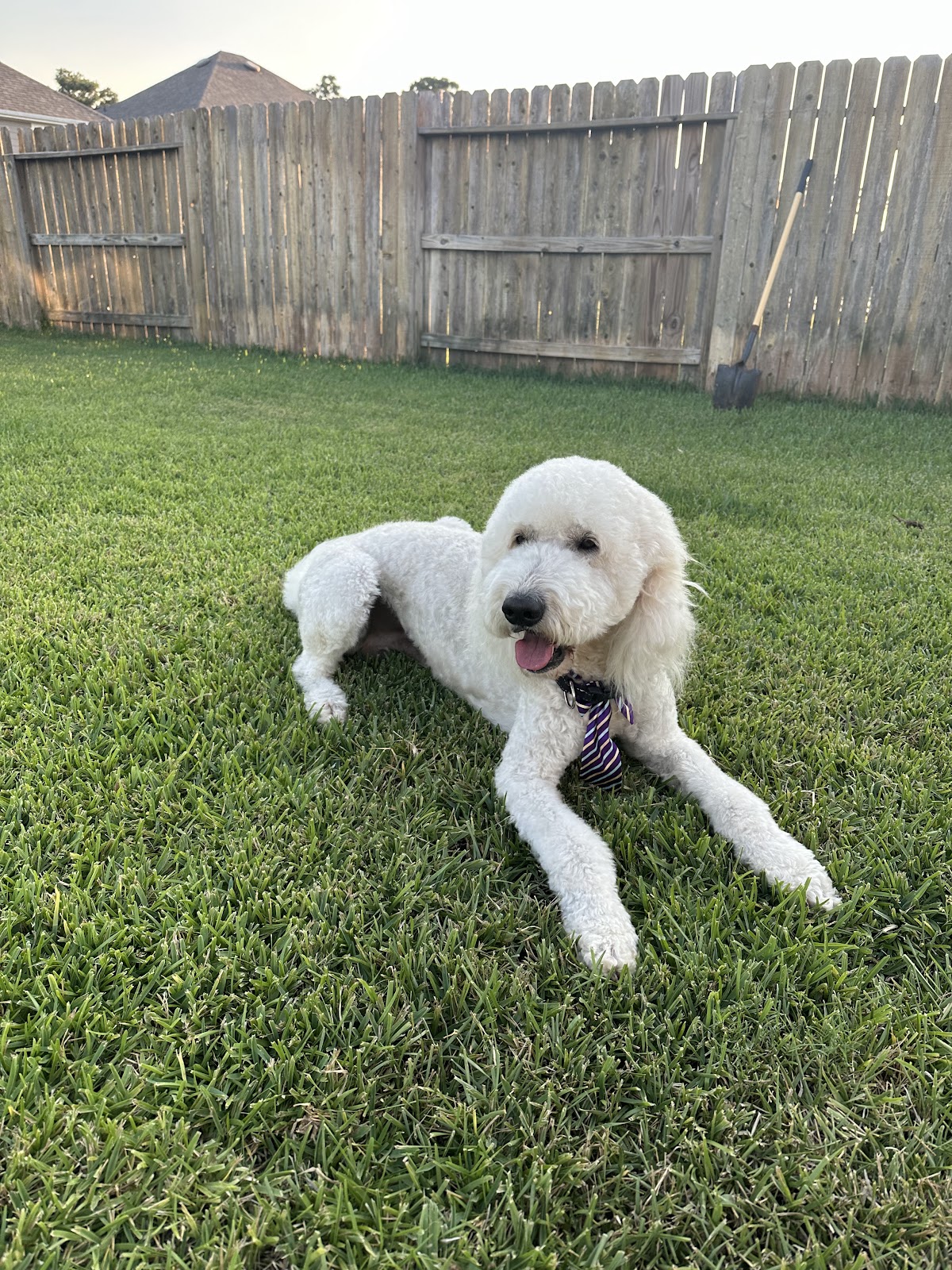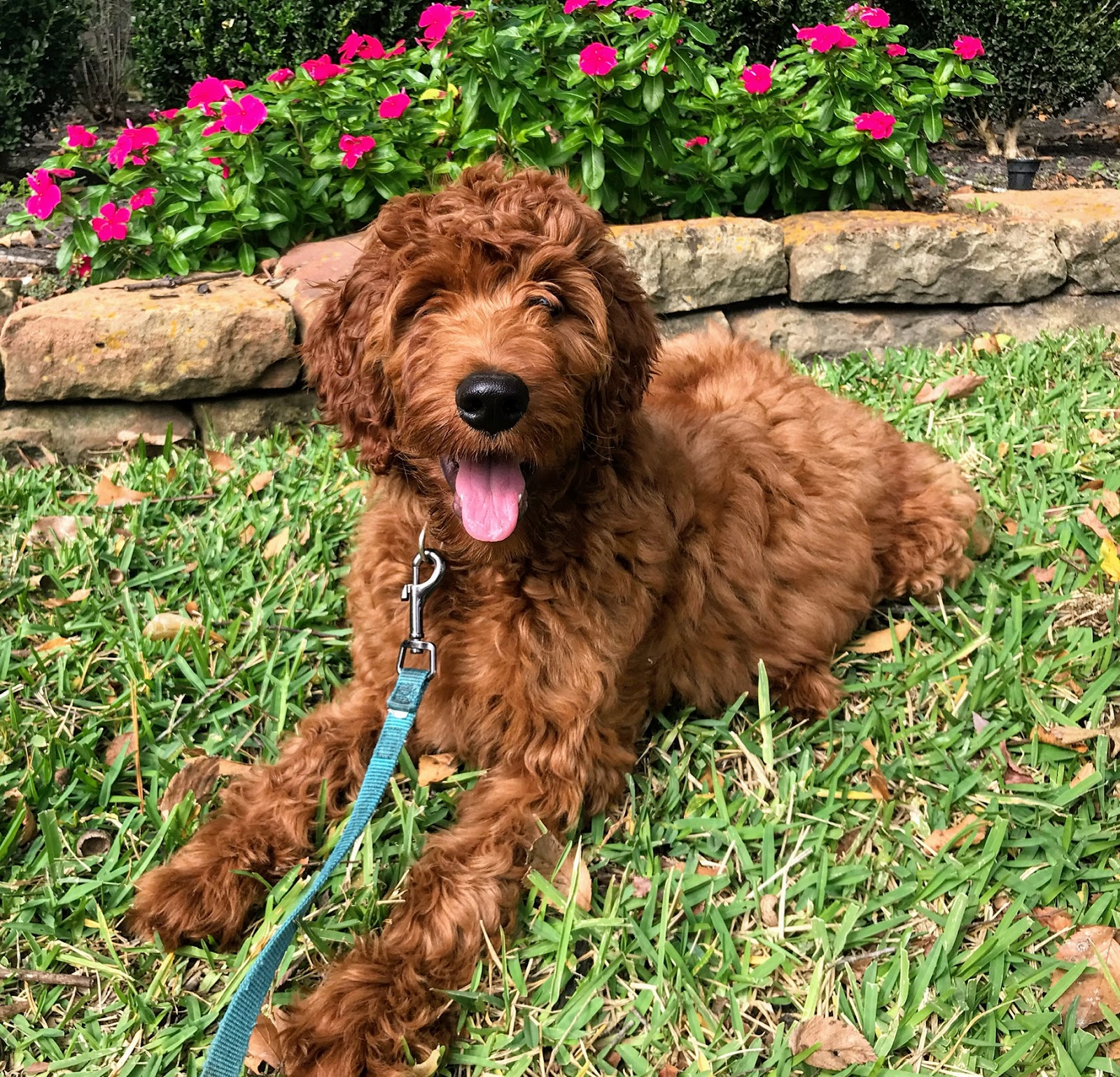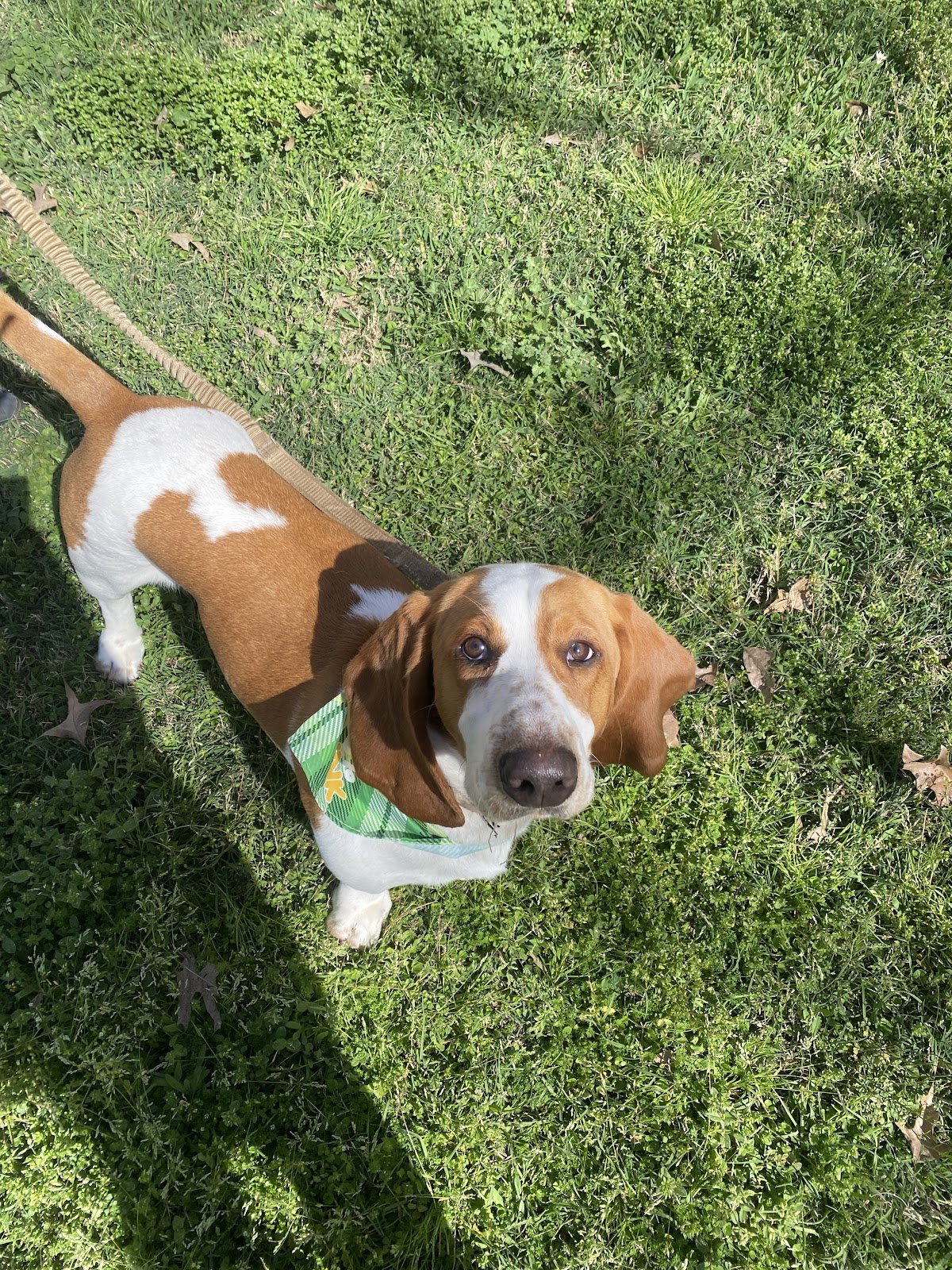
When I started grooming dogs in Conroe, I noticed something right away: some dogs practically drag their owners through the door, tail wagging before they even see me. Others dig in their heels and treat the whole thing like a trip to the dentist. It's not random. There's real reason behind it, and understanding what's happening can help you make grooming less stressful for your dog and easier on yourself.
Early Exposure Makes a Real Difference
Dogs that had positive grooming experiences young tend to stay calm about it. If a puppy's first bath is warm, quick, and followed by treats and playtime, grooming becomes routine. If their first experience involves cold water, a scary dryer, or being held down, they remember that. I see this all the time. A three-month-old Doodle who gets used to the table and the sound of clippers early will sit quietly at six years old. A dog whose first groom was at age four because the owner couldn't find someone they trusted is still nervous about it.
If your dog is young, start small. A quick hand-wash or just letting them watch while you brush another dog helps. Bring them to the grooming salon a few times without bathing them. Let them get comfortable with the space and the sounds before the actual work starts. In Conroe, where we have hot summers, introducing puppies to the experience early pays off when they need regular grooming to stay cool and clean.
Temperament and Breed Matter More Than You'd Think
Some dogs are just wired to be more anxious. A nervous dog feels tension in the room and feeds off it. A confident dog barely notices what's happening. This isn't a flaw or a problem you can train away completely. It's just who they are. Certain breeds also tend to have more sensitive skin or ears, which means grooming can actually feel uncomfortable if not done carefully. A dog with ear infections from chronic moisture issues will hate bath time because it hurts.
I've groomed plenty of anxious dogs. What helps is consistency and patience, not speed. A dog that knows the same groomer will show up every six weeks and follows the same routine feels safer than one who goes to different places or waits months between appointments. That's why I recommend sticking with the same groomer when you find someone your dog tolerates well.
How You Handle Drop-Off Sets the Tone
I watch owners say goodbye, and I can predict how the dog will behave in the first five minutes. If you're tense and apologetic, your dog feels it. If you act like this is normal and no big deal, they relax. Dogs pick up on your energy. A quick, matter-of-fact goodbye is better than a long, worried conversation about whether they'll be okay. They will be. Staying calm about it helps them stay calm.
The dogs that get excited are usually the ones whose owners treat grooming like a positive thing. They talk about it upbeat. They come pick them up happy and praise the dog for being good. Over time, the dog learns that grooming means something good happens after.
Pain and Discomfort Change Everything
A dog that suddenly hates grooming when they used to tolerate it usually has a reason. Ear infections, skin irritation, arthritis that makes standing on the table uncomfortable, or a previous bad experience at another groomer. I've had owners bring dogs in who were fine for years, then one day the dog panics. When I ask, they mention a vet visit where the dog got hurt, or they switched to a groomer who was rough.
If your dog's attitude shifted, it's worth a vet checkup before assuming it's behavioral. Sometimes a dog won't tell you in words that something hurts. They just won't cooperate.
What Actually Happens During Grooming Matters
Dogs that enjoy grooming usually had someone handle them gently, talk to them during the process, and not rush. A groomer who takes time to let a nervous dog adjust to the water temperature, who dries ears carefully, and who doesn't force a dog into positions they're fighting makes a difference. Speed grooming works for confident dogs, but anxious dogs need space to settle.
At Jenny Sue's Pet Grooming and Pet Oasis here in Conroe, I work with each dog as an individual. I'm not trying to get through a number. I'm trying to make the experience tolerable or even good. Some dogs will never love it. But most dogs can learn to accept it without stress if someone gives them the time to do that.
If your dog dreads grooming, start by looking at your own approach and your dog's past experiences. Then find a groomer who's patient enough to work with where your dog is now, not where you wish they were. Call Jenny Sue's Pet Grooming and Pet Oasis and let's talk about your dog's specific situation.